In a world where convenience and sustainability must go hand in hand, McDonald’s is stepping up to the plate — or rather, the cup.
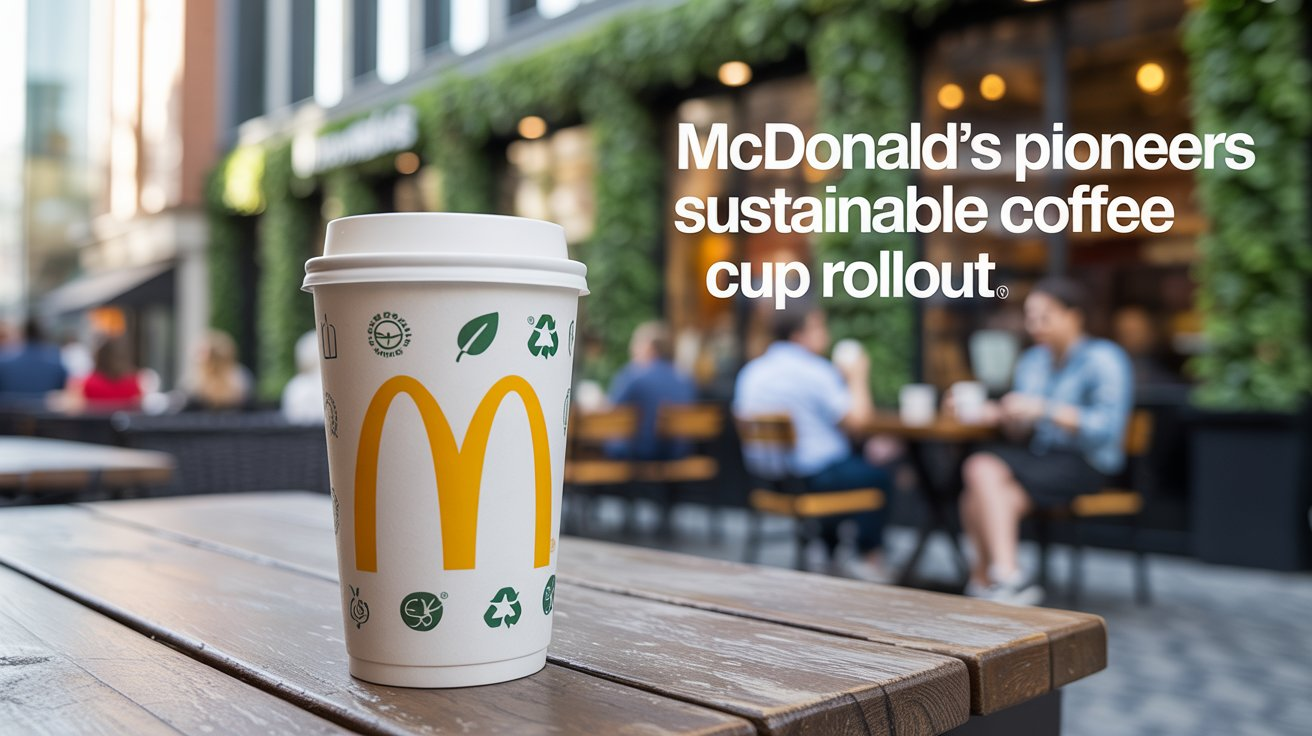
This summer, McDonald’s has begun rolling out new sustainable coffee cups across selected UK locations as part of its ongoing commitment to reduce waste and reimagine packaging. It’s a small item with a big impact — and it reflects a global shift in how food and beverage giants are rethinking their responsibility to the planet.
What’s Changing?
The new cups are part of a closed-loop recycling system, which means they’re designed not only to be 100% recyclable, but also to be reused in the supply chain. In practical terms, that means used cups can be collected, processed, and turned into other paper products or even back into new cups.
In collaboration with industry leaders in sustainable packaging and recycling, McDonald’s aims to cut single-use waste significantly and support a circular economy — a business model where materials are continually repurposed, reducing the need for virgin resources.
Why It Matters
Each year, the UK alone uses an estimated 2.5 billion disposable coffee cups, with the vast majority ending up in landfill or incineration. While many cups are technically recyclable, the plastic lining inside makes them difficult to process through standard recycling systems.
McDonald’s new cups aim to tackle that barrier head-on, using innovative design and clearer messaging to ensure consumers know how and where to dispose of their cups responsibly. Pilot tests are underway to track cup recovery rates and test the scalability of this approach.
More Than a Cup — A Culture Shift
This isn’t just about reducing litter — it’s about influencing consumer behaviour. McDonald’s has the reach and visibility to help normalise sustainable choices, from recyclable cups to reusable packaging.
The rollout also supports McDonald’s wider Plan for Change, the company’s sustainability strategy that includes commitments to achieve net zero emissions by 2050, reduce virgin plastic use, and cut restaurant waste.
A Welcome Step, But Not the Final Destination
Critics will rightly say there’s still more to be done. True sustainability involves everything from ethical sourcing of coffee beans to how energy is used in roasting, packaging, and logistics. But this move is a tangible, visible step in the right direction — and it sets a precedent for others in the fast food and beverage industry.
Your Coffee, Your Choice
Next time you grab your morning latte, think about what’s holding it. In a world overflowing with disposable culture, small design changes — backed by big businesses — can move us closer to a more sustainable, circular future.
What do you think? Is the future of fast food and coffee greener than we think — or are these changes not moving fast enough?